
Weapons
How Poly Loot weapons scale: tier rolls, Tier Scrolls, the level 10 upgrade cap, elemental swords, and which weapon is worth keeping at each stage of the run.
Introduction
Weapons in Poly Loot are not a shopping list — they are a slot that keeps getting re-rolled. Every monster can drop a weapon, and the same dropped weapon can arrive at a completely different tier, which means the question is never "which weapon is best" but "is this roll worth investing in". Investment happens on two axes: levelling, which caps at level 10 and is tracked by a badge, and tier, which is pushed upward with Tier Scrolls from codes and farming. Because the cap is low, the long-term value of a weapon lives almost entirely in its tier, and that is why the codes handing out scrolls matter more early on than Coins do. This category covers how the tier ladder is structured, what Drop Luck and Tier Luck actually change, where elemental swords fit, and how to decide that a weapon is finished.
Tier Ladder & Upgrade Value
| Tier | What It Means | Investment Advice |
|---|---|---|
| Z Tier | The rarest roll in the game, tracked by a badge at roughly a 1 in 10,000 chance | Never vendor it; it is the ceiling every build is measured against |
| Legendary | Top standard tier and the target for most endgame builds | Pushes are worth every scroll you have |
| Epic | The tier the JUNGLE and UPDATE1.5 scroll rewards were built around | A good stopping point if a Z Tier is not realistic yet |
| Rare | Reliable mid-game tier that carries you through the first boss list | First tier where scroll investment pays back |
| Common | Unrolled or low-tier drops, the bulk of what the starter area produces | Wear it, do not upgrade it |
Weapon & Tier Breakdown
Z Tier Roll
The 1 in 10,000 chase
Legendary Weapon
Top standard tier and the usual endgame target
Epic Weapon
The scroll-reward tier
Rare Weapon
First tier worth upgrading
Elemental Swords
Fixed spawns instead of random rolls
Level 10 Upgrade Cap
Where material spending stops
Core Mechanics
A weapon has two independent numbers: its tier and its upgrade level. Tier is fixed when the item drops and decides the stat ceiling the weapon can reach, while upgrade level is what you raise by spending materials. The upgrade track stops at level 10 and the game awards a badge for reaching it, so the levelling half of weapon progression is finite and relatively short. Everything after that runs through Tier Scrolls, which move an existing item up the tier ladder without requiring a fresh drop. That design is what makes scroll rewards so valuable: they let you convert a weapon you already like into a weapon that keeps up, instead of grinding for a replacement roll. Enchantments then layer on top of whatever tier you have reached, so a well-enchanted Epic can outperform a bare Legendary in a specific fight.
Advantages
Poly Loot weapons are refreshingly honest about where their value comes from. Because the upgrade level caps at 10, there is no infinite treadmill and no situation where grinding more materials turns a bad drop into a good one — the tier decides, and the tier is visible before you spend anything. Tier Scrolls give a second path to the same destination, so a player who never rolls the top tier can still climb by redeeming codes and farming scrolls. Elemental swords add a themed alternative for players who want a different route than the standard tier chase, and they come from fixed spawns rather than random rolls, which makes them a dependable target. The result is a weapon system with real decisions and limited waste, where a mediocre roll is a temporary tool rather than a permanent penalty.
Challenges
The tier system is unforgiving in ways the game never explains. A common-tier weapon and a Legendary weapon look similar in the inventory until you start upgrading, and by then the materials are already spent — there is no refund and no warning. Drop odds are not published anywhere, so the actual chance of each tier has to be inferred from community experience, and the only hard number the game gives is the Z Tier badge condition itself. Luck is split across three separate game passes, which makes it genuinely difficult to reason about which purchase improves your rolls and by how much. Finally, elemental swords sit outside the normal tier conversation, so comparing them against a rolled weapon requires judgement rather than a simple number.
Frequently Asked Questions
Is it worth upgrading a weapon past level 10?+
What is the difference between Drop Luck and Tier Luck?+
Should I use an elemental sword or a rolled weapon?+
Quick Tips
Check the tier before you spend a single Shard. The inventory does not shout about the difference between a common drop and a Rare one, and the upgrade button works exactly the same on both — the mistake is invisible until you notice your damage has not moved. If a weapon is not at least Rare, wear it and keep farming.
Spend Tier Scrolls on the weapon you are actually using, not the one with the best name. Scrolls raise the tier of one specific item, so banking them for a hypothetical future drop means playing with a weaker weapon for however long that drop takes. A scroll in the inventory does nothing for your clear speed.
Learn what your luck purchases actually touch before you buy a third one. Drop Luck, Tier Luck and Extra Item Drop each change a different part of the same loot roll, so stacking all three while your weapon tier is the real bottleneck produces expensive disappointment rather than better gear. Read the tier first, then decide which pass speaks to the problem you actually have.
Featured
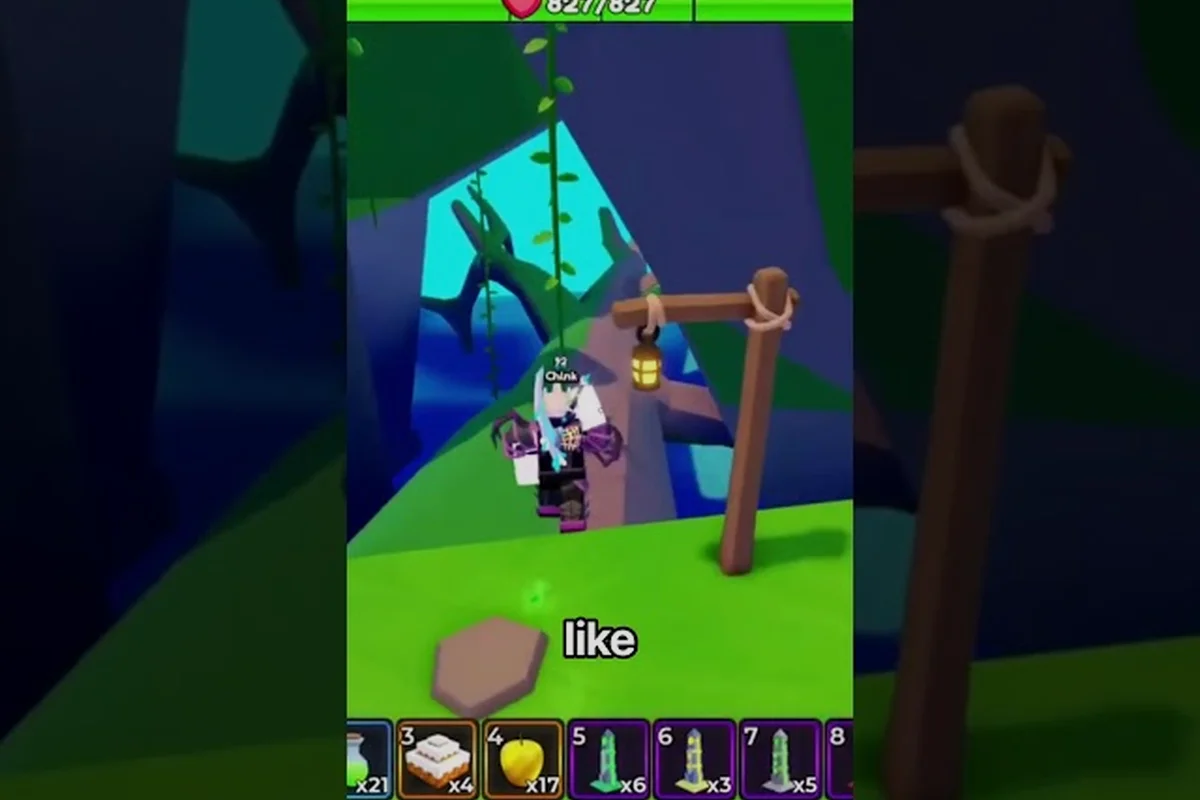
Poly Loot Best Weapon: Damage Tiers & Upgrade Path
Find the poly loot best weapon by comparing every blade's damage tier, drop source, and upgrade scroll path so your carry outscales the rest.

Poly Loot First Sword: Elemental Types, Damage & Beginner Pick
Pick the right Poly Loot first sword for your starter build, compare each elemental type's damage stats, and learn which blade outscales the rest early.

Poly Loot Weapon Rarity: Jungle to Abilities Drops Compared
Compare every Poly Loot weapon rarity from Jungle drops to Abilities-update additions, and see which new blade actually outranks the legacy strong picks.
All Articles
Poly Loot Best Weapon for Boss Fights: Rare to Legendary
Pick the Poly Loot best weapon for boss fights by stacking shards, tuning drop luck, and choosing the highest-tier blade for every encounter.
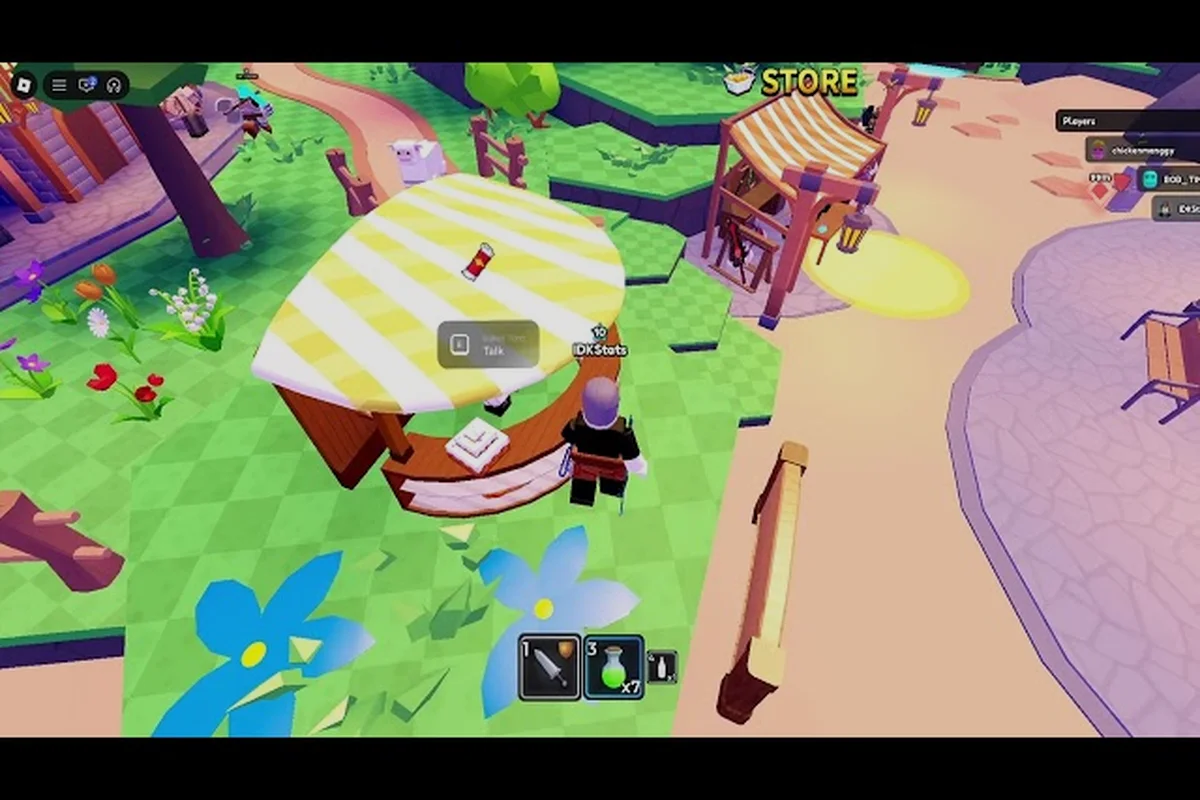
Poly Loot Two-Handed Weapons: Stats, Drops & Best Picks
Compare every Poly Loot two-handed weapon by raw damage, drop source, and tier potential so you know which big blade outscales your one-handed starter.

Poly Loot Weapon Locations: Crafting, Runes & Upgrade Costs
Track down every Poly Loot weapon location, learn the crafting recipe costs, the best enchantments and runes to socket, and the full upgrade material list.

Poly Loot Max a Weapon Badge: Scrolls & Level 10 Cap
Earn the Poly Loot max a weapon badge by stacking Weapon Tier Scrolls, hitting the level 10 cap, and pushing any sword to its final form.